Understanding chronic fatigue: symptoms, causes and recovery
23 Mar 2026


Discover an evidence-based chronic pain recovery checklist with exercise, psychological therapies, and self-management strategies that deliver pain reduction and lasting relief without medications.
Choosing the right chronic pain recovery approach can feel overwhelming when you're navigating dozens of therapies, conflicting advice, and promises of quick fixes. Many adults with persistent pain conditions seek non-pharmaceutical alternatives but struggle to identify which methods deliver genuine, lasting relief. This article provides an evidence-based checklist grounded in 2026 clinical guidelines to help you evaluate recovery options systematically. You'll discover the essential criteria for selecting effective therapies, understand how to personalise your recovery plan, and learn which approaches consistently produce measurable improvements in pain, function, and quality of life.
PointDetailsMultimodal care essentialEffective programmes combine physical, psychological and educational components rather than relying on a single intervention.Structured exercise coreAerobic activity and resistance training improve fitness, strength and joint support while helping to reduce pain.CBT and ACT matterCognitive behavioural therapy and acceptance and commitment therapy consistently outperform education alone in managing pain.Education and self managementEducation on pain neuroscience, pacing strategies and goal setting builds confidence and reduces reliance on healthcare providers.
When you’re assessing potential recovery approaches, start with evidence-based frameworks that prioritise multi-modal care over single interventions. The most effective programmes combine physical, psychological, and educational components rather than relying on one therapy alone. Core non-pharmaceutical interventions include exercise, CBT/ACT, education, mind-body therapies, and multidisciplinary rehab, forming the foundation of contemporary pain management.
Your evaluation checklist should include these essential criteria:
The virtual chronic pain clinic model exemplifies this comprehensive approach, integrating multiple evidence-based therapies into accessible online formats. When evaluating any programme, verify that it addresses at least four of these criteria rather than focusing narrowly on symptom suppression.
Your recovery checklist should include specific, actionable components that you can implement progressively. Start with structured movement or exercise, which forms the cornerstone of non-pharmaceutical pain management. Aerobic activities like walking, swimming, or cycling improve cardiovascular health and trigger natural pain-relieving mechanisms. Resistance training builds muscle strength that supports joints and reduces mechanical stress. Yoga and tai chi combine movement with mindfulness, addressing both physical and psychological dimensions of pain.
Psychological approaches deserve equal priority on your checklist. Therapies like CBT help you identify and challenge unhelpful thought patterns that amplify pain perception. ACT teaches you to accept discomfort whilst pursuing meaningful activities rather than avoiding life due to pain. Mindfulness meditation and progressive muscle relaxation reduce stress hormones and nervous system hyperactivity. Multidisciplinary programmes yield 30% pain reduction and sustained benefits up to 3 years, demonstrating the power of combining these elements. Pain Reprocessing Therapy outperforms this, with 66% reporting significant pain reduction within four weeks, with 85% reporting little to no pain after ten weeks- and in five year follow-ups, 50% report remaining pain free.
Patient education empowers you to become an active participant in recovery rather than a passive recipient of treatments. Learn about pain neuroscience to understand that persistent pain doesn’t always signal tissue damage. Master pacing strategies to gradually increase activity without triggering flare-ups. Set SMART goals that provide clear benchmarks for progress.
For autoimmune conditions, consider dietary adjustments alongside core therapies. The autoimmune protocol (AIP) diet eliminates potential inflammatory triggers whilst emphasising nutrient-dense whole foods. Gut health optimisation through probiotics and prebiotic fibre may reduce systemic inflammation. Track your progress using patient-reported outcome measures (PROMs) such as pain intensity scales, functional assessments, and quality of life questionnaires. These tools provide objective data to guide treatment adjustments.
Avoid over-reliance on interventions with limited evidence. Repeated steroid injections offer only short-term relief and may cause tissue damage. Opioid medications carry addiction risks and often worsen pain sensitivity over time. The chronic pain recovery plans at Chronos Clinic prioritise a multi-dimensional approach with their pioneering method that integrates six evidence-based mind, brain, body therapies, that minimise or reverse dependence on pharmaceutical interventions.
Pro Tip: Begin with just two checklist items, such as a daily 20-minute walk and a weekly movement or cognitive session, then add components gradually as your confidence and capacity grow. This prevents overwhelm and builds sustainable habits.
Understanding the strengths and limitations of different recovery methods helps you make informed decisions aligned with your circumstances. Each approach offers distinct benefits whilst presenting unique challenges that may affect your engagement and outcomes.
Recovery methodPrimary benefitsMain challengesBest suited forAerobic exerciseCardiovascular health, endorphin release, 25-30% pain reductionInitial discomfort, requires gradual progressionMost chronic pain conditionsResistance trainingMuscle strength, joint support, metabolic improvementsRisk of injury if technique poor, needs guidanceMusculoskeletal pain, fibromyalgiaYoga/tai chiFlexibility, mindfulness, nervous system regulationSlow progress, requires consistent practiceStress-related pain, anxiety comorbidityCBTAddresses catastrophising, improves coping, reduces disabilityRequires mental engagement, homework compliancePain with psychological factorsACTEnhances psychological flexibility, life engagementAbstract concepts challenging for someChronic pain with avoidance behavioursMultidisciplinary programmesComprehensive care, 30-40% greater improvement than single therapyHigher cost, coordination complexitySevere, multi-system conditionsPatient educationEmpowerment, reduced healthcare utilisationKnowledge alone insufficient without behaviour changeAll chronic pain patientsAIP dietReduces inflammation markers in autoimmune casesRestrictive, requires meal planningAutoimmune-related pain
Psychological inflexibility predicts poorer outcomes; group dynamics can affect self-management success, highlighting the importance of matching therapies to your psychological readiness and social preferences. Some individuals thrive in group settings that provide peer support and accountability, whilst others achieve better results through individual therapy that allows deeper exploration of personal barriers.
Multidisciplinary approaches consistently outperform single interventions because they address pain’s biological, psychological, and social dimensions simultaneously. However, coordinating multiple therapists and maintaining engagement across several treatment modalities requires significant commitment. The patient trust in online frameworks addresses these challenges by integrating diverse therapies into cohesive virtual programmes with centralised progress monitoring.

When comparing treatments and methods, prioritise those with robust evidence for your specific condition whilst considering practical factors like time availability, financial resources, and personal preferences. The most effective recovery plan is one with effective interventions that you’ll actually follow consistently over months rather than something unstructured or fragmented that you abandon after two weeks. Chronos plans are recovery-focussed.
Adapting the general checklist to your unique symptoms and circumstances maximises your chances of achieving meaningful, lasting improvements. Begin by assessing your pain type, psychological flexibility, and comorbidities. Nociceptive pain from tissue damage responds well to exercise and manual therapies, whilst neuropathic pain from nerve dysfunction may require greater emphasis on neuroplasticity techniques and psychological approaches. Central sensitisation, or neuroplastic pain, where your nervous system amplifies pain signals, benefits most from the latest innovations, e.g. pain reprocessing therapy, that addresses brain-body pathways.
Evaluate your psychological flexibility honestly. If you tend towards catastrophic thinking, rumination, or avoidance behaviours, prioritise CBT or ACT early in your recovery journey. Self-management integration with mental health and comorbidities is critical for durable outcomes, particularly when depression, anxiety, or trauma history complicates your pain experience. Screen for autoimmune markers, metabolic dysfunction, and sleep disorders that may require parallel treatment.
Choose therapies that have a structure and process, and can accommodate your lifestyle and preferences rather than forcing yourself into uncomfortable formats. If you’re time-constrained, virtual therapy like those at Chronos Clinic offer flexibility that traditional in-person treatments and rehabilitation cannot match. If you’re socially isolated, group-based interventions provide valuable connection alongside clinical benefits. If you have mobility limitations, start with chair-based exercises and aquatic therapy before progressing to land-based activities.
Set realistic goals with measurable benchmarks:
Maintain motivation by celebrating small wins and connecting daily actions to meaningful life goals. Rather than focusing solely on pain scores, track improvements in activities that matter to you: playing with grandchildren, returning to hobbies, or reducing reliance on others for daily tasks.
Pro Tip: Create a simple weekly scorecard tracking your completion of planned activities, pain levels, mood, and function. This visual record helps you identify patterns, maintain accountability, and demonstrate progress during discouraging periods when improvements feel invisible.
Explore recovery plans and pricing options that align with your condition and complexity, remembering that investing in comprehensive care now prevents costly interventions and disability later.
If you’re ready to implement an evidence-based recovery checklist with expert guidance, Chronos Clinic offers specialised virtual recovery plans with integrated therapies designed specifically for adults with persistent pain, inflammatory, fatigue & stress-related disorders, autoimmune and metabolic conditions. The platform integrates six mind, brain and body therapies, including neuroplastic pain, nutrition, movement and psychological approaches, with patient education, and progress tracking outlined in this article into one cohesive 12-week process accessible from anywhere globally.
Chronos Clinic’s neuroscience-based approach addresses the root causes of chronic pain rather than merely suppressing symptoms. You’ll receive personalised treatment planning that accounts for your specific condition, comorbidities, and lifestyle factors. The process combines pain reprocessing therapy, metabolic optimisation, neuroplasticity training, and cognitive-behavioural techniques, all delivered through convenient online sessions that eliminate travel barriers and scheduling conflicts.
Real-time analytics track your progress across multiple outcome measures, allowing your specialist to adjust interventions dynamically based on your response. This data-driven approach ensures you’re not wasting time on ineffective treatments whilst maximising engagement with therapies that produce measurable improvements. Long-term support extends beyond the initial 12 weeks, helping you maintain gains and navigate setbacks that inevitably occur during recovery.
Discover how the virtual recovery clinic model makes comprehensive, multidisciplinary care accessible and affordable. Explore the chronic pain recovery plans to understand exactly what’s included, then book your diagnostic review to establish your recovery potential and confirm your eligibility to join. Take the first step towards durable pain relief and improved quality of life today.
An effective checklist encompasses structured exercise (aerobic, resistance, yoga), psychological therapies (psychotherapy, EMDR, CBT, ACT, mindfulness), patient education about pain neuroscience, lifestyle optimisation (sleep, stress, nutrition), and progress tracking using validated outcome measures. It should screen for comorbidities and avoid over-reliance on opioids or injections.
Psychological approaches like psychotherapy, EMDR, CBT and ACT address the cognitive and emotional dimensions of pain that physical therapies alone cannot resolve. They help you reframe catastrophic thinking, develop adaptive coping strategies, and maintain engagement with challenging physical activities. This combination produces 30-40% greater improvements than either approach alone.
For autoimmune-related pain, dietary interventions like the autoimmune protocol (AIP) diet may reduce systemic inflammation by eliminating potential triggers whilst emphasising nutrient-dense whole foods. Gut health optimisation through probiotics and prebiotic fibre can modulate immune responses. However, diet should complement rather than replace core exercise and psychological therapies.
Opioids carry significant addiction risks and often worsen pain sensitivity over time through a phenomenon called opioid-induced hyperalgesia. Repeated steroid injections provide only temporary relief whilst potentially causing tissue damage and metabolic side effects. Evidence-based non-pharmaceutical approaches deliver more durable improvements without these risks.
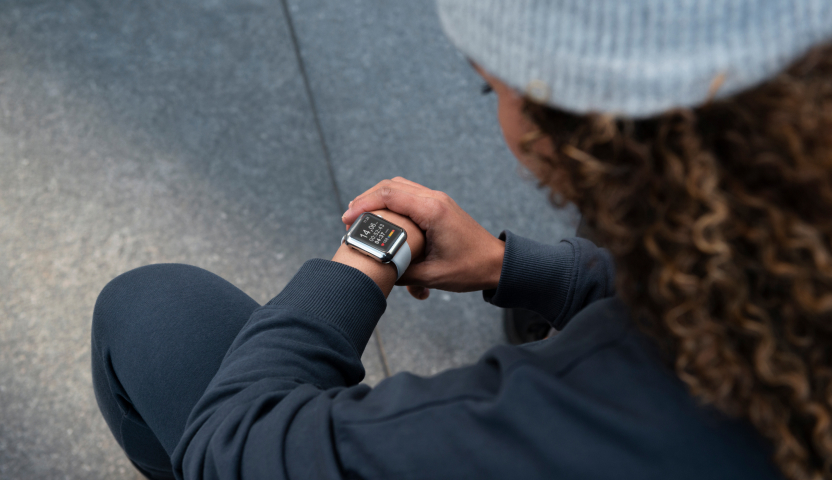
Use patient-reported outcome measures (PROMs) such as pain intensity scales, functional assessments, and quality of life questionnaires to track changes objectively. Reassess every 4 weeks initially, then monthly once stable. If you’re not seeing 20-30% improvement in your primary outcome by 12 weeks, adjust your plan by intensifying effective components, adding new therapies, or addressing barriers to engagement. The virtual chronic pain clinic provides built-in progress monitoring and expert guidance for these adjustments.



.png)


