Understanding chronic fatigue: symptoms, causes and recovery
23 Mar 2026



Discover effective virtual strategies for fibromyalgia pain relief in 2026. Learn exercise, psychological therapies, and telerehabilitation techniques to reduce symptoms without medication.
Living with fibromyalgia means navigating widespread pain, crushing fatigue, and disrupted sleep that can derail your daily routine. For individuals aged 30 to 60, finding effective symptom management without relying on long-term medication is often a top priority. Virtual healthcare platforms now offer accessible, evidence-based non-pharmaceutical options that fit seamlessly into your life. This guide walks you through practical exercise programmes, psychological therapies, and telerehabilitation techniques designed to reduce pain and improve quality of life from the comfort of your home. You will discover actionable steps to regain control and build lasting resilience against fibromyalgia symptoms.
Executing Tailored Virtual Exercise Programmes To Relieve Pain And Fatigue
Integrating Virtual Psychological Therapies For Comprehensive Symptom Management
Verifying Progress And Overcoming Challenges In Virtual Fibromyalgia Care
| Point | Details |
|---|---|
| Exercise and mind-body therapies | Aerobic, strengthening, and mind-body practices significantly reduce pain and fatigue in fibromyalgia patients. |
| Telerehabilitation effectiveness | Virtual programmes match in-person care for pain relief and functional improvements while boosting accessibility. |
| Psychological support online | CBT, ACT, and mindfulness delivered virtually improve pain, sleep, and mood with moderate effect sizes. |
| Individualised treatment plans | Combining exercise, education, and psychological therapies tailored to your symptoms yields best outcomes. |
| Safe, low side effects | Non-pharmacological approaches improve quality of life without the risks associated with long-term medication. |
Before you start any remote pain relief programme, gather the right tools and set a solid foundation. You will need reliable internet access, a smartphone or tablet with video capability, and a comfortable space at home where you can move freely during exercise sessions. A yoga mat or cushioned surface helps for floor-based activities. These basics ensure you can engage fully with virtual sessions and track your progress over time.
Assessing your current symptoms accurately is the next critical step. Take stock of your pain intensity, fatigue levels, sleep quality, and mood patterns over the past week. Use a simple 0 to 10 scale for pain and fatigue, noting which activities worsen or ease symptoms. This baseline helps you and your virtual clinician tailor exercises and therapies to your unique needs. Telerehabilitation via virtual platforms provides equivalent pain relief and functional improvements as in-person therapy, making this preparation worthwhile.
Setting realistic goals keeps you motivated and focused. Short-term goals might include completing two 20-minute exercise sessions per week or practising mindfulness for 10 minutes daily. Long-term goals could involve reducing pain by two points on your scale or improving sleep duration by one hour within 12 weeks. Write these down and share them with your virtual care team. A virtual chronic pain clinic can help you refine these targets based on evidence and your personal circumstances.
Understanding the importance of virtual platforms for accessibility and continuity is essential. Remote care eliminates travel barriers, reduces appointment wait times, and allows you to engage with specialists worldwide. You can schedule sessions around work and family commitments, maintaining consistency even during flare-ups. This flexibility is especially valuable for fibromyalgia, where symptoms fluctuate unpredictably.
Prepare mentally for a gradual improvement process. Fibromyalgia symptoms rarely vanish overnight. Expect small, incremental gains over weeks and months rather than dramatic overnight changes. Celebrate each milestone, whether it is walking an extra five minutes without increased pain or sleeping through the night twice in a week. This mindset reduces frustration and helps you stay committed to your programme.

Pro Tip: Keep a symptom journal on your phone or tablet. Log pain, fatigue, sleep, and mood daily before breakfast. Over time, patterns emerge that help you and your clinician adjust your treatment plan for maximum benefit.
| Tool | Purpose | Example |
|---|---|---|
| Smartphone/tablet | Access virtual sessions and apps | iPhone, Android device |
| Internet connection | Stream video consultations | Broadband, mobile data |
| Exercise space | Safe area for movement | Living room, bedroom |
| Symptom journal | Track progress and patterns | Notes app, paper diary |
| Comfortable clothing | Unrestricted movement | Loose trousers, T-shirt |
Having understood the prerequisites, next we will explore step-by-step execution of effective virtual exercise programmes tailored to fibromyalgia symptoms.
Starting an exercise routine when you are in pain can feel daunting, but the evidence is clear: exercise, particularly aerobic, strengthening, and mind-body types, is the most effective non-pharmacological intervention for reducing fibromyalgia pain and fatigue. Begin with low-impact aerobic activities twice weekly. Walking at a comfortable pace for 15 to 20 minutes, swimming in a heated pool, or cycling on a stationary bike are excellent starting points. Your virtual physiotherapist will guide you through proper pacing, ensuring you do not overdo it and trigger a flare-up.
Week one to two: Start with two 15-minute low-impact aerobic sessions per week. Focus on gentle movement and building confidence.
Week three to four: Gradually increase duration to 20 minutes per session. Add a third session if you feel ready.
Week five to six: Introduce light strengthening exercises using body weight or resistance bands. Aim for two sessions weekly, targeting major muscle groups.
Week seven to eight: Continue aerobic activity three times weekly and strengthening twice weekly. Monitor pain and fatigue closely.
Week nine onwards: Incorporate mind-body practices like Pilates or yoga once or twice weekly, especially if fatigue remains severe.
Incorporate strengthening exercises gradually to improve muscle function and support joints. Start with simple movements like wall push-ups, seated leg lifts, or resistance band rows. Perform each exercise for 10 to 12 repetitions, resting between sets. Your virtual coach will demonstrate correct form via video, reducing injury risk. As strength builds, you can add light weights or increase repetitions.
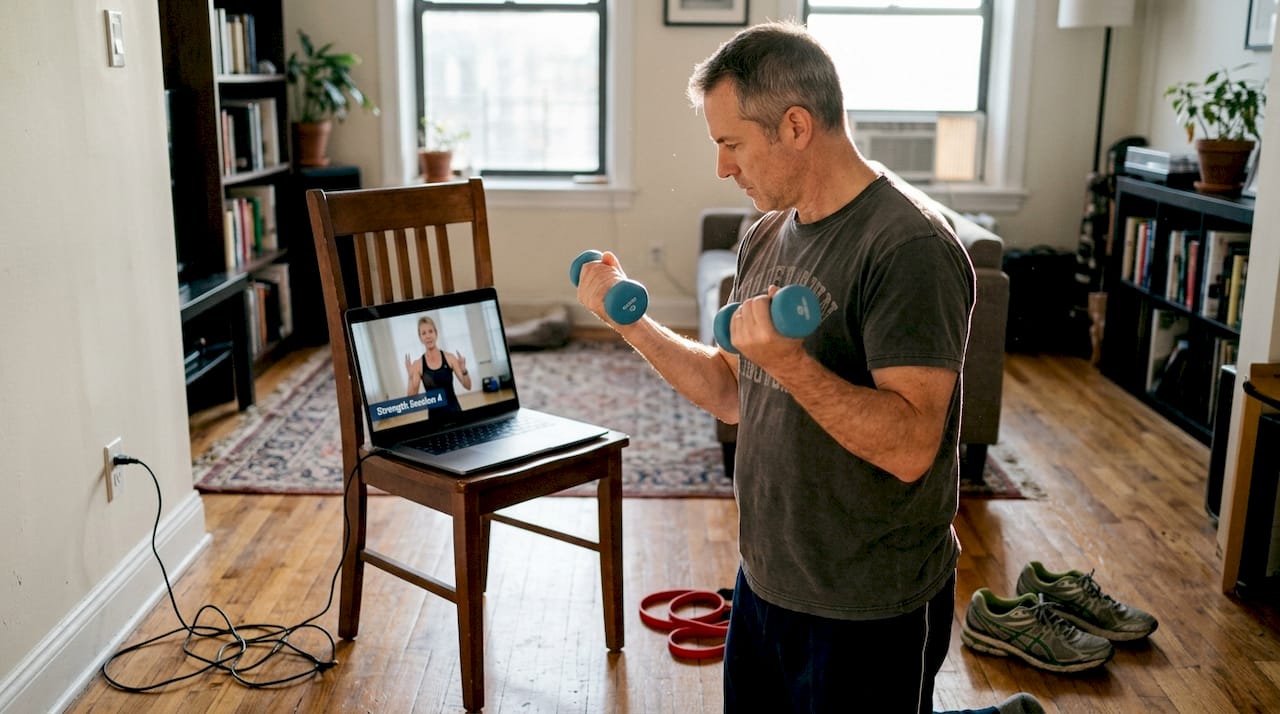
Introduce mind-body practices for fatigue like Pilates or yoga for severe fatigue cases. These activities combine gentle movement with breath control and mindfulness, addressing both physical and mental aspects of fibromyalgia. A 30-minute virtual yoga class twice weekly can reduce stress, improve flexibility, and promote better sleep. Choose classes labelled as beginner or restorative to match your current capacity.
| Exercise type | Primary benefits | Recommended frequency | Intensity | | — | — | — | | Aerobic (walking, swimming) | Reduces pain and fatigue, improves cardiovascular health | 2-3 times per week | Low to moderate | | Strengthening (bands, body weight) | Builds muscle, supports joints, enhances function | 2 times per week | Light to moderate | | Mind-body (yoga, Pilates) | Eases stress, improves flexibility, aids sleep | 1-2 times per week | Gentle |
Pro Tip: Use telerehabilitation apps to monitor your progress and stay motivated. Many platforms allow you to log completed sessions, track pain and fatigue trends, and receive automated reminders. Seeing your improvements visualised in charts reinforces your commitment and helps you adjust intensity when needed.
With exercise underway, the next section guides you through adding psychological therapies virtually to enhance pain and sleep outcomes.
Exercise alone addresses only part of the fibromyalgia puzzle. Psychological therapies like CBT and mindfulness improve pain, sleep, and depression, with moderate effect sizes. Cognitive behavioural therapy (CBT) helps you identify and challenge unhelpful thoughts about pain, replacing them with more balanced perspectives. A typical virtual CBT programme runs for five to six weeks, with one 60-minute session per week. Your therapist will assign homework exercises, such as thought records or behavioural experiments, to practise between sessions.
Acceptance and commitment therapy (ACT) takes a different approach. Rather than fighting pain, ACT teaches you to accept discomfort while pursuing meaningful activities and values. This reduces the emotional distress that amplifies physical symptoms. Virtual ACT sessions follow a similar structure to CBT, delivered via secure video platforms. You will explore exercises like values clarification, mindfulness, and committed action planning. Many clients find ACT particularly helpful when pain persists despite other treatments.
Mindfulness meditation serves as an adjunct therapy for stress and fatigue. Daily 10 to 20-minute guided meditations, accessible through apps or virtual group sessions, train your brain to observe sensations without judgement. Over time, this reduces the fear and anxiety that worsen pain perception. Research shows mindfulness can improve sleep quality and mood, making it a valuable addition to your fibromyalgia toolkit.
Monitor mental health changes during therapy. While psychological interventions are generally safe, some individuals experience temporary increases in distress as they confront difficult emotions or memories. If you notice worsening depression, anxiety, or suicidal thoughts, contact your virtual clinician immediately. Most platforms offer crisis support or can refer you to appropriate emergency services.
“Psychological support is not about ignoring pain or pretending it does not exist. It is about changing your relationship with pain so it no longer controls your life. Virtual delivery makes these powerful therapies accessible to anyone with an internet connection, removing traditional barriers to care.”
Virtual psychological therapies integrate seamlessly with exercise programmes. Your clinician can coordinate with your physiotherapist to ensure all interventions support your goals. For example, if CBT reveals that fear of pain prevents you from exercising, your therapist can work with you on graded exposure techniques while your physio adjusts your exercise plan accordingly. This holistic approach maximises symptom relief and functional improvement.
Benefits of virtual psychological therapies include:
Improved sleep quality and duration
Reduced pain intensity and interference
Better mood and lower depression scores
Enhanced coping skills and self-efficacy
Greater adherence to exercise and self-management strategies
Having established exercise and psychological support, we will now discuss verifying progress and troubleshooting common challenges.
Tracking your symptoms over time reveals whether your virtual programme is working. Use pain and fatigue journals or telerehabilitation app data to identify trends over weeks. Record your pain intensity, fatigue level, sleep hours, and mood each morning before breakfast. After four weeks, review your entries. Are pain scores decreasing? Is fatigue less severe on average? These patterns guide adjustments to your treatment plan.
Adjust intensity or type of exercise based on progress and symptoms. If pain increases after strengthening sessions, reduce the number of repetitions or switch to lighter resistance bands. If aerobic exercise feels too easy, gradually increase duration by five minutes or add an extra session per week. Your virtual physiotherapist will review your data during regular check-ins and recommend modifications. Flexibility is key, as fibromyalgia symptoms fluctuate and your programme must adapt accordingly.
Common issues and solutions include:
Fatigue flare-ups: Reduce exercise intensity temporarily and prioritise rest. Resume at a lower level once symptoms settle.
Motivation dips: Set small, achievable weekly goals and reward yourself for meeting them. Join virtual support groups for encouragement.
Technical difficulties: Test your internet connection and device before sessions. Keep your clinician’s phone number handy for troubleshooting.
Nocebo effects: Avoid negative online forums or stories that amplify fear. Focus on evidence-based information and your own progress.
Guidelines prioritise non-pharmacological, individualised exercise and education due to symptom heterogeneity and low evidence strength for many medications. This means your programme should be tailored to your unique symptom profile, not a one-size-fits-all protocol. If you are not seeing improvements after six to eight weeks, consult your virtual clinician. They may suggest adding or changing therapies, increasing session frequency, or investigating other contributing factors like sleep disorders or nutritional deficiencies.
Review your symptom journal every two weeks to spot trends.
Discuss any worsening symptoms or new concerns with your virtual team promptly.
Adjust exercise intensity or duration based on pain and fatigue levels.
Seek additional psychological support if mood or sleep does not improve.
Celebrate small wins to maintain motivation and positive mindset.
Warning about nocebo effects and importance of positive mindset: Negative expectations can worsen pain and reduce treatment effectiveness. If you believe a therapy will not work, your brain may amplify discomfort and ignore improvements. Stay open-minded and focus on evidence. Many fibromyalgia patients achieve significant symptom relief through virtual non-pharmacological programmes, and you can too.
“Consistency and patience are your greatest allies in fibromyalgia recovery. Virtual care offers the flexibility to stay engaged even during flare-ups, but you must trust the process and give therapies time to work. Most clients see meaningful improvements within 8 to 12 weeks.”
Encouragement to consult virtual clinicians for personalised support and adjustments: Do not hesitate to reach out if you feel stuck or unsure. Virtual platforms make it easy to schedule quick consultations, send messages, or access educational resources. Your care team is there to guide you through obstacles and optimise your treatment plan. Early intervention for problems prevents setbacks and keeps you on track towards your goals.
With strategies to confirm and adapt your efforts, next is a brief overview of how Chronos Clinic can help you access expert virtual care for fibromyalgia.
Chronos Clinic offers expert-led virtual programmes personalised for fibromyalgia symptoms, combining the exercise plans, psychological therapies, and ongoing support you have just learned about. Their 12-week chronic pain recovery program integrates neuroscience-based therapies like pain reprocessing, cognitive-behavioural techniques, and neuroplasticity training, all delivered online to maximise accessibility worldwide. You will work with a dedicated care team who tailor every aspect of your treatment to your unique symptom profile and goals.
Services combine structured exercise plans, one-to-one psychological therapy sessions, and real-time progress monitoring through secure digital platforms. You can access everything through your smartphone or computer, with flexible scheduling that fits around work and family commitments. Regular virtual check-ins ensure your programme adapts as your symptoms change, keeping you on the path to recovery. The virtual chronic pain clinic eliminates travel and wait times, making expert care available whenever you need it.
Pro Tip: Early enrolment maximises your progress and symptom control. The sooner you start a comprehensive virtual programme, the quicker you can build the skills and habits needed for long-term relief. Chronos Clinic clients report life-changing improvements in pain, fatigue, and quality of life, thanks to the convenience and personalised attention of virtual care. Discover the virtual chronic pain recovery process and take the first step towards reclaiming your life from fibromyalgia.
After learning how Chronos supports your journey, we conclude with answers to common questions about virtual fibromyalgia pain relief.
Virtual exercise improves muscle strength, reduces pain and fatigue, and fits into your schedule without the need for travel. Guided sessions delivered via video ensure you use proper form and pacing, reducing injury risk and boosting motivation. Research confirms that aerobic, strengthening, and mind-body practices for fatigue delivered remotely match in-person results. You can start at your own level and progress gradually under expert supervision.
CBT, ACT, and mindfulness meditation are the main psychological therapies available online for fibromyalgia. These approaches help manage symptoms, improve quality of life, and address the emotional toll of chronic pain. Delivered in flexible weekly sessions via secure digital platforms, they fit seamlessly into your routine. Online chronic pain treatment services offer one-to-one or group formats, allowing you to choose the support style that suits you best.
Use pain and fatigue journals or telerehabilitation app data to track trends over time. Record your symptoms daily and review them every two to four weeks to spot improvements or setbacks. Regular virtual check-ins with your virtual chronic pain clinic team help adjust your therapy for best results. Look for gradual reductions in pain intensity, improved sleep quality, and increased ability to perform daily activities as signs of progress.
If pain worsens, depression increases, or new symptoms arise, seek expert guidance immediately. Virtual clinics like Chronos offer assessments and tailored treatment plans to address complications or stalled progress. Do not wait for symptoms to become severe. Early consultation allows your care team to adjust therapies, investigate underlying issues, or add new interventions. The chronic pain recovery program provides ongoing support to ensure you stay on track towards your goals.




.png)


